In today’s digital age, mastering the art of digital advertising is crucial for businesses looking to stay ahead in the competitive landscape. With the ever-evolving digital platforms and changing consumer behaviors, having effective digital advertising strategies is key to reaching and engaging your target audience.
In this comprehensive guide, we will delve into the world of digital advertising, exploring its importance, different types of platforms, and key metrics to measure success. We will also walk you through the steps of building an effective digital advertising strategy, optimizing your campaigns for maximum impact, and staying on top of the latest trends and innovations in the industry.
Furthermore, we will showcase real-world case studies of successful digital advertising campaigns from both big brands and small businesses, highlighting the strategies and lessons learned from their achievements.
Whether you are a seasoned marketer or a business owner looking to dip your toes into the digital advertising realm, this blog post will equip you with the knowledge and insights needed to master digital advertising and drive tangible results for your business. Let’s dive in!
Understanding Digital Advertising: A Brief Overview
Digital advertising refers to the practice of promoting products, services, or brands through various digital channels and platforms. Unlike traditional advertising methods such as print, television, or radio, digital advertising leverages the power of the internet and electronic devices to reach a wider audience with precision and measurability.
The importance of digital advertising in the modern era cannot be overstated. With the majority of consumers spending a significant amount of time online, businesses must establish a strong digital presence to connect with their target audience effectively. Digital advertising offers several advantages over traditional methods, including:
Global Reach: Digital advertising allows businesses to transcend geographical boundaries and reach potential customers worldwide. Whether you are a local business or a multinational corporation, digital platforms provide the opportunity to expand your reach and tap into new markets.
Targeted Approach: Unlike traditional advertising, which casts a wide net and hopes to capture the attention of the right audience, digital advertising enables precise targeting. Through demographic, geographic, behavioral, and interest-based targeting options, businesses can tailor their ads to reach specific segments of their audience, maximizing the chances of conversion.
Cost-Effectiveness: Digital advertising offers flexible pricing models that cater to businesses of all sizes and budgets. Whether you opt for pay-per-click (PPC), cost-per-impression (CPM), or cost-per-acquisition (CPA), you have control over how much you spend and can adjust your budget in real-time based on campaign performance.
Measurable Results: One of the most significant advantages of digital advertising is the ability to track and measure campaign performance in real-time. Through analytics tools and advertising dashboards, businesses can monitor key metrics such as impressions, clicks, conversions, and return on ad spend (ROAS), allowing for data-driven decision-making and continuous optimization.
Interactive Engagement: Digital advertising enables two-way communication between brands and consumers. Interactive ad formats, social media comments, and direct messaging allow users to engage with ads, ask questions, share content, and take immediate action, fostering stronger brand-consumer relationships.
Different Types of Digital Advertising Platforms
Digital advertising encompasses a wide array of platforms and channels, each offering unique formats and targeting capabilities. Understanding the different types of digital advertising platforms is essential for selecting the right mix for your business goals:
Search Engine Advertising (Paid Search): Platforms like Google Ads and Microsoft Advertising allow businesses to display text or shopping ads on search engine results pages (SERPs) when users search for specific keywords. Paid search is highly effective for capturing high-intent users actively looking for products or services.
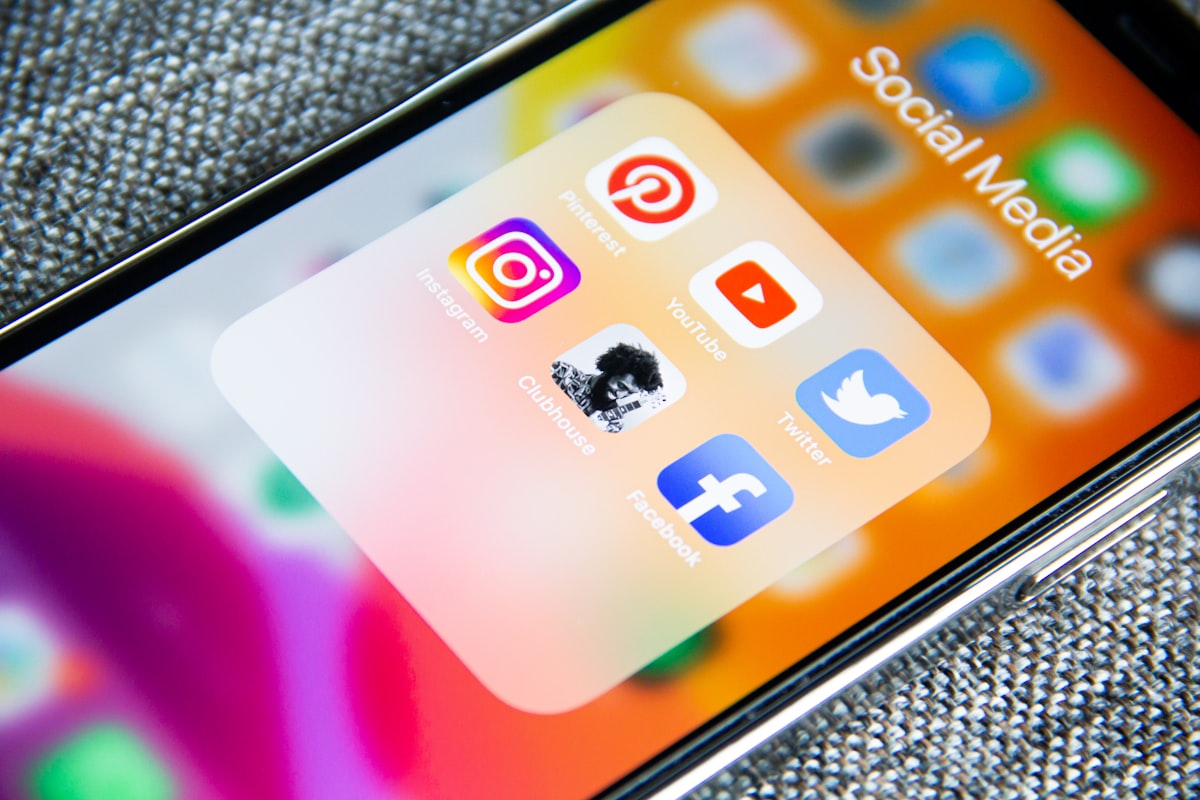
Social Media Advertising: Platforms such as Facebook, Instagram, TikTok, LinkedIn, X (Twitter), and Pinterest offer robust advertising ecosystems. Social media ads allow brands to target users based on detailed demographics, interests, and behaviors using engaging formats like image ads, short-form videos, carousels, and Stories.
Display Advertising: Display ads consist of visual banners, images, or rich media placed on third-party websites across ad networks like the Google Display Network. Display advertising is ideal for building brand awareness and retargeting users who have previously visited your website.
Video Advertising: With the surge in video consumption, platforms like YouTube, TikTok, and connected TV (CTV) offer powerful video advertising opportunities. Video ads can appear before, during, or after video content, allowing brands to tell compelling visual stories.
Native Advertising and Sponsored Content: Native ads match the look, feel, and function of the media format in which they appear, such as sponsored articles on news websites or promoted posts in social feeds. They provide a non-disruptive user experience while delivering valuable content.
Influencer and Creator Partnerships: Collaborating with influencers and content creators allows brands to tap into established, trusted communities. Sponsored creator content often feels more authentic than traditional brand ads and drives strong engagement.
Key Metrics in Digital Advertising
To evaluate the effectiveness of your digital advertising campaigns, it is crucial to understand and monitor key performance indicators (KPIs):
- Impressions: The total number of times your ad is displayed on a user’s screen.
- Reach: The number of unique individuals who saw your ad.
- Click-Through Rate (CTR): The percentage of people who clicked on your ad after seeing it (Clicks ÷ Impressions × 100).
- Cost Per Click (CPC): The average amount you pay each time someone clicks on your ad.
- Conversion Rate (CVR): The percentage of users who completed a desired action (such as a purchase, sign-up, or lead form submission) after clicking your ad.
- Cost Per Acquisition (CPA): The average cost required to acquire one paying customer or lead.
- Return on Ad Spend (ROAS): The total revenue generated for every dollar spent on advertising (Revenue ÷ Ad Spend).
Building an Effective Digital Advertising Strategy
A successful digital advertising campaign starts with a well-defined strategy. Jumping straight into ad creation without a clear plan often leads to wasted budget and disappointing results. Here is a step-by-step framework for building an effective digital advertising strategy:
Step 1: Define Clear Objectives and Goals
Start by identifying what you want your advertising campaign to achieve. Common objectives include:
- Brand Awareness: Introducing your brand, music, or product to a broad new audience.
- Traffic and Engagement: Driving visitors to your website, content, or social profiles.
- Lead Generation: Capturing email addresses, phone numbers, or consultation bookings.
- Direct Sales and Conversions: Driving online purchases, ticket sales, or subscriptions.
Ensure your goals follow the SMART framework (Specific, Measurable, Achievable, Relevant, and Time-bound) so you can evaluate success accurately.
Step 2: Identify and Research Your Target Audience
Knowing exactly who you are trying to reach is the foundation of effective targeting. Build detailed audience personas by considering:
- Demographics (age, gender, location, income level, job title)
- Interests, hobbies, and online habits
- Pain points, challenges, and motivations
- Which digital platforms they use most frequently
Use insights from your existing customer data, website analytics, and social media audiences to refine your targeting parameters.
Step 3: Choose the Right Channels and Ad Formats
Match your objectives and audience to the platforms where they are most receptive:
- If prospects are actively searching for a solution you provide, prioritize Google Search Ads.
- If your product or work is visual or relies on discovery, prioritize Instagram Reels, TikTok, or YouTube Ads.
- If you are targeting B2B decision-makers by industry or job title, prioritize LinkedIn Ads.
Step 4: Establish Your Budget and Bidding Strategy
Determine how much you can invest and how you will allocate spend across testing and scaling phases. Start with a controlled test budget to validate which audiences, hooks, and creative formats perform best before scaling your spend.
Step 5: Craft Compelling Ad Creative and Copy
Your ad creative is the single biggest lever in modern digital advertising. Even with perfect targeting, weak creative will fail to convert. Focus on:
- Strong Opening Hooks: Capture attention in the first three seconds of video ads or with a clear, benefit-driven headline in static ads.
- Platform-Native Style: Ads that look and feel like organic content on the platform consistently outperform overly corporate commercials.
- Clear Value Proposition: Show immediately what problem you solve or why the viewer should care.
- Direct Call-to-Action (CTA): Tell the viewer exactly what to do next (“Book a Free Call,” “Listen Now,” “Download the Guide”).
Optimizing Your Digital Advertising Campaigns
Launching your campaign is only the beginning. Ongoing optimization is what turns an average campaign into a profitable one:
A/B Testing (Split Testing): Continuously test one variable at a time, such as different video hooks, headlines, thumbnails, calls-to-action, or landing page layouts, to see what drives the lowest cost per result.
Landing Page Optimization: Driving clicks to a slow, confusing, or generic page kills conversions. Ensure your landing page matches the exact promise of your ad, loads fast on mobile devices, and has a frictionless path to action.
Retargeting and Full-Funnel Sequences: Most people do not buy or book on the first visit. Set up retargeting campaigns to follow up with people who watched your video, visited your website, or engaged with your social profile, showing them case studies, testimonials, or a direct offer.
Budget Reallocation: Review your analytics weekly. Pause underperforming ad sets and shift budget toward the creatives and audiences delivering the strongest return.
Key Trends Shaping Digital Advertising
As digital platforms evolve, several major shifts are defining how effective advertising works:
- Short-Form Vertical Video Dominance: Reels, TikTok, and YouTube Shorts are the primary attention engines. Ads built specifically as vertical, sound-on short videos generate lower CPMs and higher engagement.
- AI-Assisted Targeting and Creative Testing: Ad platforms increasingly use machine learning to find buyers based on how people interact with your creative, making creative diversity more important than hyper-narrow manual targeting.
- First-Party Data and Privacy Compliance: With tighter privacy regulations and cookie restrictions, building your own email and SMS lists alongside your ad campaigns is essential for long-term retention.
- Creator-Style and Authentic Content: Audiences tune out polished studio ads. Lo-fi, direct-to-camera videos and authentic storytelling build trust faster.
Conclusion
Mastering digital advertising requires a combination of clear strategy, audience understanding, platform-native creative, and disciplined testing. By focusing on the channels that match your goals, crafting hooks that earn attention, and tracking the metrics that actually drive business outcomes, you can turn your digital presence into a predictable growth engine.
Need Help With Your Social Profile, Link in Bio, or Weekly Posting?
If you want your profiles, banners, link in bio page, and website cleaned up so visitors actually follow and reach out, I offer Social Profile, Link in Bio, and Website Setup and 1 on 1 Social Media Setup and Coaching. Or if you want to hand off the ongoing work, I handle short form video clipping, captions, scheduling, daily posting, and email or SMS marketing Monday to Friday. You work directly with me. You make the content. I run the digital.
See flat monthly rates on my services page, or book a free strategy call.